Emergency Dentist Bakersfield CA for Urgent Relief Before Travel
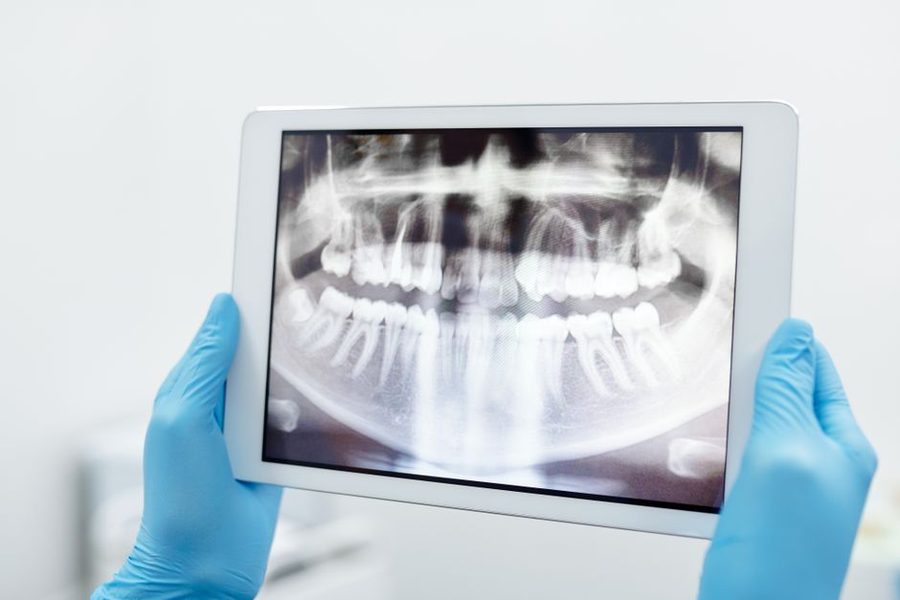
A dental emergency has a way of arriving at the worst possible time. It happens the night before a flight, during a packed workweek, or halfway through a weekend when every plan is already set. If you are preparing to leave town and suddenly develop a cracked tooth, swelling, severe tooth pain, or a lost crown, the problem stops being routine very quickly. Travel and dental pain do not mix well. Pressure changes on a plane can intensify certain kinds of toothaches, infection rarely improves on its own, and even a minor chip can become a much bigger issue once you are away from your regular care.
That is why finding an Emergency Dentist Bakersfield CA matters so much when a trip is close. The goal is not always a perfect, long-term fix in one visit. Very often, the most important step is urgent relief, stabilization, and a clear plan that gets you safely through your travel dates without gambling on your health.
People tend to underestimate how fast oral problems can worsen. A filling that falls out on Tuesday may feel manageable by lunch, then become a deep ache by evening when air, temperature, and pressure begin reaching the exposed area. A tooth that feels tender after biting down on a hard nut can later reveal a fracture line. Gum swelling that seems small in the mirror can point to an infection that does not care whether you are headed to a business conference, a family wedding, or a long-awaited vacation.
Why dental emergencies feel worse before a trip
Part of it is practical. You are already juggling reservations, work deadlines, packing, pet care, and timing. Part of it is biological. Stress often leads people to clench their jaw, grind their teeth at night, skip meals, and reach for more coffee, all of which can aggravate a tooth that is already on the edge. The pain also feels more urgent because travel strips away your safety net. At home, you know where to go, whom to call, and how to get help. On the road, especially in a different state or country, treatment becomes more complicated and more expensive.
I have seen travelers try to push through obvious symptoms because they do not want to change their plans. Sometimes they get away with it. Often they do not. One common example is a patient with intermittent pain from an infected molar who assumes antibiotics alone will carry them through a week away. The discomfort settles for a day or two, then returns when the inflammation flares again. Another frequent case involves a crown that comes loose just before travel. If it is promptly re-cemented and the underlying tooth is sound, the trip can proceed with little trouble. If the loose crown is ignored and the exposed tooth fractures, the situation changes completely.
What counts as a true dental emergency
Not every dental problem requires same-day care, but many issues that travelers dismiss deserve prompt attention. Severe, throbbing pain is the obvious one. So is facial swelling, especially if it is spreading or accompanied by fever, trouble swallowing, or a bad taste that suggests drainage. A knocked-out tooth is time-sensitive in a very literal way. A broken tooth can be urgent as well, depending on whether the nerve is exposed, the crack extends below the gumline, or sharp edges are cutting the tongue or cheek.
Lost fillings, broken dentures, dislodged crowns, and gum injuries fall into a middle category. They may not all be life-threatening, but they can interfere with eating, speaking, and sleeping, which matters a great deal if you are about to spend hours in transit. A painful wisdom tooth flare-up before a trip is another problem that people often try to wait out. Sometimes the tissue around a partially erupted tooth becomes so inflamed that opening the mouth fully becomes difficult. That is not something you want to manage from an airport gate.
The important distinction is this: urgent does not have to mean dramatic. If the issue could reasonably worsen during your trip, it deserves an evaluation now.
The most common pre-travel dental emergencies in Bakersfield
Bakersfield patients often come in with a familiar set of last-minute problems. Cracked molars are high on the list, especially in people who chew ice, grind their teeth, or have older large fillings. Temporary or permanent crowns coming loose is another common issue. Fillings can fail without warning, particularly if there is recurrent decay underneath or the tooth has taken repeated stress over time.
Abscess-related pain is one of the problems that most often forces a schedule change. The pain may begin as vague pressure and then sharpen into a constant, pulsing ache. Some patients notice it only when lying down at night, which is one reason these emergencies feel especially disruptive before early morning travel. Sports injuries, falls, and hard bites on popcorn kernels or olive pits also send people searching for an emergency dentist on very short notice.
In Bakersfield specifically, hot, dry conditions can play an indirect role. When people are dehydrated, they often experience a drier mouth, and that can make existing irritation feel worse. Dry mouth does not cause an emergency overnight, but it can amplify sensitivity and make inflamed tissue more uncomfortable.
What an emergency dentist is actually trying to do
There is a misconception that emergency dental care always means a major procedure. In reality, the immediate objective is often narrower and smarter than that. The dentist is trying to answer several urgent questions: Is there infection? Is the tooth structurally stable? Is the nerve involved? Can the pain be reduced quickly? Is it safe for you to travel, and if so, what precautions should you take?
Sometimes definitive care can be done right away. A crown can be re-cemented, a small fracture can be smoothed or bonded, and a lost filling can be replaced in the same visit. Other times the best emergency treatment is a temporary but durable measure, such as placing a protective restoration, draining an acute infection when appropriate, adjusting a bite that is triggering sharp pain, or prescribing medication to control a problem until full treatment can be scheduled.
That distinction matters. A good emergency dentist does not simply chase the symptom. They stabilize the condition in a way that makes sense for your travel timeline. If you are flying out the next morning, the safest plan may be different from the plan chosen for someone who will remain local for the next two weeks.
When to call immediately, not after you finish packing
There are a few situations where delay is a bad bet. Rapid swelling is one. Significant trauma is another. Bleeding that does not stop, a knocked-out permanent tooth, intense pain that keeps escalating, or difficulty opening your mouth should move to the top of your priority list. If you are unsure whether your situation is urgent, describe the symptoms in plain terms when you call. Mention how long the pain has been present, whether swelling is visible, whether the tooth is broken or loose, and when you are scheduled to leave town.
A helpful front desk team can often tell from that short conversation how quickly you need to be seen. If there is any possibility of infection or a compromised airway, you should not wait for convenience. Dental infections can spread beyond the tooth and gums. That is rare, but when it happens, it is serious.
What to do in the first hour
Before you are seen, a few practical steps can keep things from getting worse and may reduce discomfort.
- Rinse gently with warm salt water if the area is irritated or if food is trapped around the tooth.
- Use a cold compress on the outside of the face for swelling, usually in short intervals.
- If a crown or filling has come out, keep the piece if you still have it and bring it to the appointment.
- Avoid chewing on the affected side, and skip very hot, very cold, sticky, or hard foods.
- Take an over-the-counter pain reliever only as directed on the label, unless a physician has told you to avoid it.
These measures do not replace treatment. They buy time. One caution worth repeating: do not place aspirin directly against the gum or tooth. People still try this old remedy, and it can burn the tissue.
Flying with tooth pain is often worse than expected
This surprises people until they experience it. Certain dental conditions become more painful at altitude because changes in cabin pressure can affect trapped air or inflamed tissue within a tooth. The discomfort is not universal, but when it happens, it can be intense. A patient with untreated decay near the nerve or a failing restoration may find that a tolerable ache on the ground turns sharp during ascent or descent.
Long drives are not much kinder if the pain is already active. Sitting for hours, dehydrating, relying on convenience foods, and delaying medication schedules can all raise the misery level. If you have ever tried to navigate a rental car line while your jaw is throbbing, you understand how quickly a small dental problem can dominate an entire trip.
This is one reason emergency treatment before travel is not an overreaction. It is often the difference between a manageable itinerary and a ruined one.
Temporary relief versus definitive treatment
Patients sometimes worry that a same-day visit will automatically turn into a root canal, extraction, or some other major decision under pressure. That is not how thoughtful emergency care should work. There are situations where immediate definitive treatment is appropriate, especially if the diagnosis https://andyfxfe824.nexorafield.com/posts/emergency-dentist-bakersfield-ca-when-to-seek-immediate-care is clear and the patient prefers to address it before leaving. There are also many cases where the better choice is temporary stabilization followed by full treatment when the patient returns.
A loose crown is a good example. If the tooth underneath is intact and decay is limited or absent, re-cementing may be enough to get a person through the trip. If the crown came off because much of the tooth has broken away, that same conservative approach may not be realistic. The right choice depends on what is actually left to support the restoration, not just on the calendar.
The same judgment applies to infection. Antibiotics can be useful in selected cases, especially when swelling is involved, but they are not a permanent answer for the source of the problem. If a tooth has an abscess because the pulp is infected, the long-term solution is usually root canal therapy or extraction, depending on the tooth’s condition. The emergency phase is about getting pain and inflammation under control safely enough for the next step.
What to bring to an urgent dental visit before travel
If you are trying to move quickly, a little preparation helps the appointment run more efficiently. Bring your ID, insurance information if you have it, a list of medications, and the name of any major medical conditions. If you take blood thinners, have diabetes, are pregnant, or have a history of heart conditions, that information matters. If another dentist recently took X-rays and you can access them quickly, great, but do not delay care trying to track them down.
If you have the broken piece of a tooth, crown, veneer, or denture, bring it. Sometimes what looks unusable to a patient can help the dentist judge the fracture pattern or temporarily restore function.
Questions worth asking before you leave the office
An emergency visit should do more than reduce pain. It should also leave you with a practical travel plan. Ask clear questions, especially if you will be gone for several days.
- Is it safe for me to fly or take a long trip with this condition?
- What warning signs mean I should seek care immediately while away?
- What foods, drinks, or habits should I avoid until full treatment is completed?
- How should I take the prescribed medication, and what side effects should I watch for?
- If the temporary repair fails during travel, what should I do first?
Those questions often reveal the real risk level. If the answer to the first question comes with hesitation, that is important. If the dentist tells you the tooth is only holding together temporarily and must be protected from chewing, take that seriously.
The cost question, and how to think about it
Emergency dental care can create financial stress, especially before a trip that is already expensive. The cost varies widely based on the exam, X-rays, medication, and procedure performed. A simple palliative visit or re-cemented crown is very different from treatment involving drainage, multiple radiographs, or a complex fractured tooth.
Still, waiting can cost more. A tooth that could have been stabilized with a relatively modest repair may later require root canal treatment and a new crown, or become non-restorable and need extraction. There is also the travel cost of delaying care until you are away from home, where insurance networks may be less helpful and treatment choices may be limited by time and logistics.
If budget is a concern, say so directly. Most dental teams would rather explain options honestly than have a patient disappear into a trip with a worsening infection.
How families can handle children’s emergencies before vacation
Children have a talent for timing dental mishaps perfectly. A loose spacer, chipped front tooth, or sudden swelling from a cavity often appears right before a family getaway. The approach is similar, but there are extra factors. Kids dehydrate faster, have a harder time describing pain accurately, and can become frightened when the visit feels rushed.
The best move is to stay calm, keep the explanation simple, and avoid promising that “it will not hurt.” Say that the dentist is going to make the tooth feel better and check what happened. If a permanent tooth is knocked out, time matters a great deal. If it is a baby tooth, do not try to reinsert it. When in doubt, call immediately and describe the age of the child and the type of tooth involved.
For families leaving Bakersfield for sports tournaments, amusement parks, or road trips, pre-travel emergency care can save everyone from a miserable few days. A child with untreated dental pain rarely “forgets about it” once the vacation starts.
Choosing the right emergency dentist in Bakersfield for time-sensitive care
When you search for an Emergency Dentist Bakersfield CA, speed matters, but so does judgment. You want a practice that can assess urgency accurately, communicate clearly, and offer realistic treatment for the time you have. Same-day availability is valuable, but it is only part of the picture. Strong emergency care also means the office can handle diagnostic imaging, manage pain thoughtfully, and explain whether the problem truly is stable enough for travel.
Pay attention to how the office responds on the phone. Do they ask about swelling, trauma, fever, and departure time? Do they tell you what to bring? Do they make room for emergencies rather than treating every painful case as routine? Those details often reveal how experienced the team is with urgent situations.
A rushed or vague answer should make you cautious. Dental emergencies are not just about squeezing someone into the schedule. They are about making good clinical decisions under time pressure.
If you cannot be seen until tomorrow
Sometimes same-day care is not possible, or the problem begins late at night. If you are waiting until the next morning, protect the area. Do not keep testing the tooth with your tongue or by biting to “see if it still hurts.” Avoid alcohol if you are taking pain medication or expect to need sedation the next day. Sleep with your head elevated if throbbing worsens when lying flat. If swelling spreads, fever develops, or you have trouble breathing or swallowing, that moves beyond routine dental waiting and into immediate medical territory.
This is where common sense matters more than optimism. If the trajectory is clearly getting worse, do not assume morning will solve it.
The real goal before you leave town
Perfect timing is not part of dental emergencies. No one plans for a fractured molar the day before a flight to Seattle or a throbbing abscess before a drive to the coast. The useful question is not whether the timing is fair. It is whether you act quickly enough to keep a bad situation from becoming much worse.
Urgent dental care before travel is about preserving your options. It can mean saving a tooth that would otherwise deteriorate, preventing an infection from escalating, restoring enough comfort to eat and sleep, and giving you a realistic plan for the days ahead. Most of all, it lets you travel with less uncertainty.
If you are facing sudden pain, swelling, trauma, or a broken restoration, do not talk yourself into waiting simply because departure is near. A qualified Emergency Dentist Bakersfield CA can often provide the immediate relief and stabilization you need, sometimes in a single visit, and that can make the difference between carrying on safely and spending your trip searching for help far from home.
Smyle Dental Bakersfield
2016 E St, Bakersfield, CA 93301, United States
+16614939040
FAQ About Emergency Dentist Bakersfield CA
What counts as a dental emergency?
Severe tooth pain, facial swelling, uncontrolled bleeding, a knocked-out or displaced tooth, and significant dental trauma may need prompt assessment. Trouble breathing or rapidly increasing swelling requires urgent medical help.
What should I do if a permanent tooth is knocked out?
Handle the tooth by the crown rather than the root, keep it moist, and contact a dentist immediately. Fast treatment can improve the chance of saving the tooth.
Can an emergency dentist treat severe tooth pain the same day?
Same-day care may be available depending on the cause and schedule. The dentist will examine the area, may take digital X-rays, and recommend treatment based on the diagnosis.
Should I go to the emergency room for dental swelling?
Seek urgent medical care for trouble breathing, difficulty swallowing, rapidly spreading facial swelling, or other severe symptoms. A dentist can assess the underlying dental cause and provide appropriate follow-up care.