The Role of a General Dentist in Santa Clarita CA in Dental Education
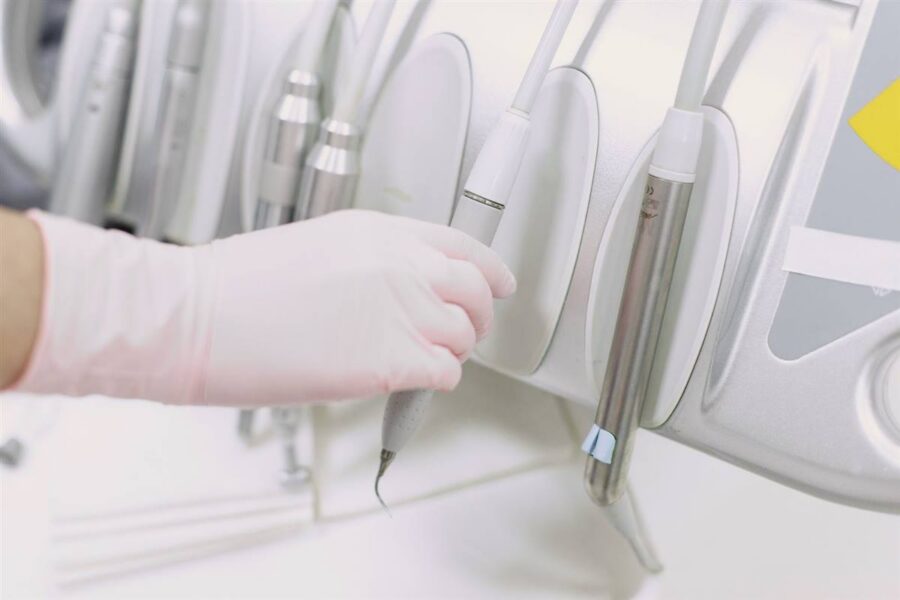

A dental office is often the first place people learn how oral health actually works in daily life. Not from a textbook, not from a public health campaign, and not from a rushed social media clip, but in a treatment room where someone is asking a real question about bleeding gums, a child is nervous about a first filling, or a parent is trying to understand why cavities keep coming back despite brushing every night.
That educational role is especially important in a community setting. A general dentist in Santa Clarita CA does much more than diagnose decay, place crowns, or clean teeth. The job also involves interpretation, coaching, repetition, and judgment. Patients arrive with different habits, different levels of health literacy, and different assumptions about dental care. Some grew up seeing a dentist every six months. Others only come in when something hurts. Many have heard fragments of information that are partly true, outdated, or poorly applied to their situation.
Good dental education closes that gap. It turns a one-time appointment into a longer-term understanding of prevention, treatment choices, and personal responsibility. It also makes care more efficient. Patients who understand why a condition developed are usually better prepared to prevent it from returning. They are more https://johnnyxaid061.theburnward.com/general-dentist-santa-clarita-ca-care-for-checkups-and-clean-teeth likely to recognize early warning signs, keep follow-up visits, and make choices that protect both their oral health and their budget.
Education starts long before treatment
The educational work of a general dentist begins before a handpiece is picked up. It often starts with observation and conversation. A patient mentions sensitivity when drinking iced coffee. Another says flossing always makes the gums bleed, so they stopped. A teenager shrugs when asked about sports mouthguards. A parent says their child only sips juice “a little” throughout the day, not realizing that frequent exposure matters as much as total amount.
These moments matter because they reveal how people think about their mouths. That thinking influences outcomes as much as any procedure. A person who believes bleeding gums are normal will delay periodontal care. A person who thinks baby teeth do not matter may ignore decay in a child until pain or infection appears. A person who assumes a deep cleaning is “just an expensive cleaning” may decline treatment without understanding the consequences.
An experienced general dentist learns to listen for those patterns. Education is not delivered as a lecture. It is built around the patient’s actual habits, misconceptions, and priorities. The most effective explanation is rarely the most technical one. It is the one the patient can connect to that same day, in a way that changes what happens next.
The exam room as a classroom
The phrase “dental education” sometimes sounds formal, almost academic. In practice, it is highly practical. It happens chairside, in short but meaningful exchanges. A patient is shown an X-ray and learns what recurrent decay looks like around an older filling. A mirror is used to point out plaque collection near the gumline. Intraoral photos help a person see an early crack that they could not feel yet. The general dentist translates what is visible into plain language and then ties it to action.
That translation is a skill. Patients do not need to become clinicians, but they do need enough understanding to make informed decisions. Consider a common example. Someone comes in with mild to moderate gum inflammation. If they simply hear “your gums are irritated,” the message may not land. If the dentist explains that the tissue is reacting to bacterial buildup, that the bleeding is a sign of inflammation rather than “weak gums,” and that untreated gingivitis can progress to deeper periodontal issues, the patient has a clearer reason to change daily habits.
In many offices, the educational value of visual tools is hard to overstate. A patient who sees wear facets from grinding, or dark shadows under old restorations, often understands the problem more quickly than someone who only hears a description. Visual evidence can remove a lot of doubt. It also helps reduce the sense that treatment recommendations are arbitrary.
Prevention is the most visible part of the job, but not the simplest
When people think about patient education in general dentistry, they usually picture instructions on brushing and flossing. That is certainly part of it, but prevention is more nuanced than repeating the same advice to everyone.
Technique matters. Frequency matters. Timing matters. Product choice matters. The patient’s age, dexterity, diet, medical history, orthodontic appliances, and saliva flow all matter too. A teenager with braces needs a different conversation than a retiree dealing with dry mouth from medications. A patient with excellent brushing habits but frequent snacking may still be at high risk for decay. Another patient may brush aggressively with a hard-bristled brush and be contributing to recession without realizing it.
This is where a general dentist in Santa Clarita CA becomes an educator in the truest sense. The dentist tailors the lesson. For one person, the key may be switching from a sawing floss motion to a gentler wrap around technique. For another, the turning point may be learning that sipping sweetened coffee over three hours exposes teeth differently than drinking it with a meal. For a patient with reduced hand strength, an electric toothbrush may be less a convenience than a practical solution.
The educational message also has to be realistic. Telling every patient to adopt a perfect oral hygiene routine overnight is rarely effective. Small, durable improvements often work better. A patient who starts flossing three nights a week consistently may make more progress than someone who promises an ideal routine and abandons it after ten days. Experienced dentists understand behavior change, even if they do not call it that. They know that advice must be both correct and livable.
Children learn from the dentist, but parents learn with them
Pediatric specialists play an important role, but many families rely on a general dentist for a large portion of their children’s dental care. That means education has to reach two audiences at once: the child in the chair and the adult making decisions at home.
For young children, the first goal is often emotional education. The dental office teaches that oral care is routine, manageable, and not something to fear. This matters more than many parents realize. A calm, well-handled first experiences can shape how a child approaches care for years. If those early visits are framed around trust and familiarity, future treatment tends to be easier.
Parents, meanwhile, need practical guidance that is specific enough to use. Broad advice such as “watch the sugar” is not very helpful on its own. What tends to work better is a more concrete conversation about exposure frequency, sticky snacks, bedtime bottles, sports drinks, and the hidden sugar load in foods marketed as healthy. Many parents are genuinely surprised to learn that crackers, dried fruit, and frequent juice sipping can contribute to decay as much as obvious sweets.
General dentists also spend time correcting misunderstandings about primary teeth. It is common to hear some version of “they’re going to fall out anyway.” But untreated decay in baby teeth can still lead to pain, infection, missed school, eating difficulties, and space problems for developing permanent teeth. That explanation needs to be delivered calmly and without judgment. Parents generally respond well when they feel informed rather than blamed.
Teenagers need a different kind of dental education
Adolescents sit in an interesting middle ground. They are old enough to understand long-term consequences, but not always motivated by them. Telling a teenager that gum disease may become a problem decades from now usually has limited impact. Connecting oral health to appearance, comfort, sports performance, and confidence often works better.
A general dentist may need to address energy drinks, vaping, irregular hygiene, orthodontic care, wisdom tooth concerns, and trauma prevention, sometimes all within a short span of years. This is also an age when autonomy starts to matter. Teens often respond better when the dentist speaks directly to them rather than only to the parent. Respect matters. So does clarity.
One of the more effective educational approaches with teenagers is to make consequences immediate and visible. White spot lesions around braces, staining patterns, inflamed gums, and enamel erosion are easier to understand when shown in real images. So is the effect of nighttime grinding or sports injuries without a guard. Education at this age is not just about disease prevention. It is about building ownership.
Adult patients often need unlearning as much as learning
Many adults arrive with deeply ingrained ideas about dental care. Some are based on older recommendations. Some come from family habits. Some come from bad past experiences. The educational role of the general dentist often involves gently replacing those assumptions with more accurate information.
A common example is the belief that if a tooth does not hurt, it must be fine. Clinically, that is not reliable. Early decay, cracked teeth, and periodontal disease can progress quietly. Another common misunderstanding is that stronger brushing means cleaner teeth. In reality, excessive pressure can wear enamel near the gumline and contribute to recession. Patients also often confuse cosmetic concerns with health concerns, or assume the reverse. Staining may bother them more than a leaking filling, while an unstable bite may be ignored because it is not visible.
Adults also need help understanding trade-offs in treatment planning. A strong educational conversation explains not just what can be done, but why one option may be better suited than another. A filling may be reasonable today, but a large failing restoration might be approaching the threshold where a crown becomes the more durable choice. Watching an area can be appropriate in one patient and too risky in another. These distinctions are not obvious to most people, and they should not be expected to infer them.
This is where trust is built. When a dentist explains the reasoning behind a recommendation, including the limitations of alternative choices, patients tend to feel respected. They also become more capable participants in their own care.
Dental education includes financial literacy about treatment
People often separate clinical education from financial discussions, but in practice the two are linked. A patient who does not understand what they are paying for is less likely to follow through with treatment, and more likely to postpone care until the problem becomes larger and more expensive.
A responsible general dentist explains value in straightforward terms. That may mean helping a patient understand why delaying a crown on a heavily compromised tooth can increase the risk of fracture and root canal therapy later. It may mean clarifying the difference between preventive maintenance and repair after avoidable breakdown. It may also mean being honest when a less invasive option is a reasonable short-term step because of budget constraints.
This does not mean selling dentistry. It means educating patients about timing, risk, and consequence. There is a significant difference between pressure and clarity. Patients usually sense it. The best practices make room for questions and acknowledge reality. Not every ideal plan is immediately feasible. Good education helps people prioritize instead of shutting down.
Community context shapes the educational role
Dental education does not happen in a vacuum. A general dentist in Santa Clarita CA serves a population with varied schedules, family demands, insurance situations, and health backgrounds. In a community where many households are balancing school activities, commutes, work hours, and caregiving, compliance is not just a matter of motivation. Logistics play a major role.
That practical context should influence how education is delivered. For example, a family managing multiple children’s activities may need simpler, more sustainable home care strategies. An older adult taking several medications may need repeated reminders about dry mouth and root decay risk. A patient working long shifts may need meal and hygiene recommendations that fit a less predictable day.
Community education can also extend beyond the operatory. Local school presentations, oral cancer awareness efforts, hygiene instruction for seniors, and partnerships with pediatric or medical providers all help broaden impact. While not every general dentist participates in formal outreach, many still shape public understanding through the cumulative effect of everyday patient conversations. Over time, those conversations ripple outward. A well-educated parent influences a child. A patient who finally understands periodontal disease may encourage a spouse to seek care. Education spreads through families.
Technology helps, but the explanation still matters most
Modern diagnostic tools can greatly improve patient education. Digital radiographs, intraoral cameras, and scanning technology make problems easier to see and compare over time. A cracked cusp, worn dentition, or localized recession is more persuasive when the patient can view it clearly.
Still, technology does not educate on its own. Images without context can overwhelm or confuse. The dentist’s role is to interpret, prioritize, and explain. Not every visible flaw requires immediate intervention. Not every shadow is an emergency. Sometimes what a patient needs most is perspective.
This is especially true when discussing conditions that can sound alarming. Bone loss, recession, bruxism, and failing restorations are serious, but they exist on a spectrum. A measured explanation can reduce fear while still motivating action. That balance is part of sound education. If the message is too soft, the patient may ignore it. If it is too dramatic, they may distrust it or avoid treatment altogether.
The most effective dental education is repetitive without feeling repetitive
One hard truth in clinical practice is that patients rarely absorb everything in one visit. They are thinking about discomfort, scheduling, insurance, family obligations, and sometimes simple embarrassment about the condition of their mouth. Even motivated patients forget details.
That is why good dental education is layered. The same principle may need to be explained more than once, from different angles, over multiple appointments. A person might first hear that they have signs of clenching. At the next hygiene visit, they see increased wear. Months later, they begin waking with jaw fatigue and are finally ready to discuss a night guard. This is not failure. It is how learning often works in healthcare.
The dentist and team both contribute here. Reinforcement from hygienists, assistants, and front office staff can be extremely effective when the message stays consistent. Patients notice when everyone in the office communicates with the same purpose and clarity. They also notice when advice is contradictory or generic.
Barriers to learning are not always obvious
Some patients nod politely and leave without truly understanding what was said. Others feel overwhelmed by terminology. Some are too anxious to process new information well. Language barriers, hearing difficulties, cultural assumptions, and prior negative experiences can all affect how dental education is received.
An experienced clinician adjusts. That may mean slowing down, using simpler language, sketching a diagram, or focusing on one priority instead of five. It may mean asking the patient to explain the plan back in their own words. It may mean recognizing that shame is interfering with learning. People who have delayed care for years often expect judgment. When they do not receive it, they are far more likely to engage.
In real practice, this kind of sensitivity can change outcomes. A patient who has avoided cleanings because of embarrassment about bleeding may finally accept periodontal treatment after one respectful, well-explained visit. Another who always thought dental visits were only for emergencies may begin scheduling preventive appointments once the logic becomes clear.
What patients gain from an educational dental relationship
When general dentistry is practiced with a strong educational focus, patients gain more than cleaner teeth or restored cavities. They gain orientation. They understand what is happening, what can wait, what should not wait, and what they can control at home.
The benefits show up in very practical ways:
- fewer surprise emergencies because problems are recognized earlier
- better home care because instructions match the patient’s actual needs
- stronger treatment acceptance when recommendations are explained clearly
- improved long-term outcomes because prevention becomes part of routine life
- less fear, since understanding often lowers uncertainty
Those outcomes are not automatic. They come from steady effort, careful communication, and a willingness to meet patients where they are.
Why the general dentist remains central
Specialists are essential in dentistry, but the general dentist remains the central educational figure for most patients. That is because general practice sees the whole picture over time. It follows children into adolescence, adults into middle age, and older patients through the oral effects of medication use, systemic conditions, tooth wear, and restorative cycles. It tracks patterns. It notices what keeps recurring. It translates long-term oral health into ordinary choices made at the sink, at the grocery store, and at the dinner table.
That continuity matters. Education is more credible when it comes from someone who has seen the patient’s history unfold. A dentist who can say, with accuracy, “This area has been stable for three years,” or “We’ve watched this wear pattern progress,” offers a kind of guidance no internet search can replicate. It is personalized, evidence-based, and grounded in actual care.
The role of a general dentist in Santa Clarita CA in dental education is therefore both clinical and civic. It supports healthier individuals, more informed families, and a community that is better equipped to prevent avoidable disease. At its best, this role is quiet but powerful. It happens one conversation at a time, often in ordinary moments, and its effects last well beyond the appointment itself.
Smyle Dental Newhall
Address: 23754 Newhall Ave, Santa Clarita, CA 91321
Phone number: +16612559200
FAQ About General dentist Santa Clarita CA
What does it mean by general dentist?
A general dentist is your primary dental care provider. They focus on the overall prevention, diagnosis, and treatment of your daily oral health needs. Think of them as your primary care doctor, but for your teeth and gums.
What is the difference between a dentist and a general dentist?
A dentist is a broad professional title for any licensed oral healthcare provider, while a general dentist is a specific type of primary care dentist who focuses on routine, preventive, and everyday treatments.
What is the difference between a dentistry practitioner and a dentist?
A dentist is a licensed doctoral-level healthcare professional, whereas a dental practitioner is a broader umbrella term that can include dentists as well as other trained oral health professionals.